

Broken link building is one of the most practical SEO strategies you can use when you want to earn relevant backlinks without relying on spammy outreach, paid link placements, or generic guest post pitches.
In simple terms, broken link building means finding links on other websites that no longer work, identifying what the missing page used to offer, and suggesting a useful replacement page from your own website. The website owner gets to fix a poor user experience. You get the opportunity to earn a relevant backlink. When done properly, it is a win for both sides.
In 2026, this strategy still works, but it has changed. Website owners are more careful, inboxes are more crowded, and low-effort outreach is easier to ignore. That means you cannot simply find a 404 page, send a lazy email, and expect results. You need to offer a genuinely relevant replacement, prove where the broken link appears, and make the fix easy for the editor or site owner.
This guide explains what broken link building means, how it affects SEO, how to find opportunities, how to qualify prospects, how to create replacement content, and how to send outreach emails that feel helpful instead of pushy.
Why Broken Links Create Backlink Opportunities?
Broken links create backlink opportunities because website owners usually do not want to send readers to dead pages.
For example, imagine a marketing blog has an article about “best SEO tools for small businesses.” Inside that article, the author links to a detailed guide about backlink analysis. But that guide was deleted two years ago and now returns a 404 error.
If I have a high-quality backlink analysis guide, I can reach out and say:
“I noticed one of the resources in your article no longer works. I have a current guide that may be a useful replacement.”
That message is more useful than a cold backlink request because I am helping them fix a specific issue.
How Broken Link Building Helps Website Owners and SEO Professionals?
Broken link building helps website owners by improving their content quality. It helps SEO professionals by creating a natural reason to start a backlink conversation.
For the website owner, the benefit is:
- A cleaner reader experience
- Fewer dead links
- More accurate resources
- Less outdated content
For me, the benefit is:
- A relevant backlink opportunity
- A relationship with a publisher or editor
- More referral visibility
- A stronger backlink profile over time
The key is relevance. Broken link building only makes sense when the replacement page truly matches the missing resource.
Does Broken Link Building Still Work in 2026?
Yes, broken link building still works in 2026, but only when it is relevant, specific, and helpful.
The strategy is no longer about sending hundreds of identical emails. Editors can spot mass outreach quickly. They are also more selective because AI-generated emails have made inboxes noisier. To stand out, you need to show that you actually reviewed the page, confirmed the broken link, and selected a replacement that makes sense.
Facts About Broken Link Building Today
Broken link building is based on a confirmed and simple SEO reality: websites naturally lose pages over time.
Pages get deleted. Businesses close. URLs change. Content gets merged. Old studies disappear. Tools shut down. When that happens, the links pointing to those missing pages can become broken backlinks.
Confirmed facts include:
- Broken links can harm user experience.
- 404 pages can create link replacement opportunities.
- Website owners often prefer working links over dead resources.
- Relevance matters more than volume.
- Outreach quality has a major impact on campaign results.
Broken link building is not a guaranteed backlink machine. It is a relationship-based SEO process that rewards accuracy and usefulness.
Proposed Changes in Modern Link Outreach
Modern broken link outreach is becoming more personalized and evidence-based.
In 2026, At ClickDo, we treat every outreach email like a small editorial suggestion rather than a link request. Instead of saying, “Please link to me,” explain:
- Where the broken link appears
- What page it points to
- Why it may be worth fixing
- What replacement resource do I recommend
- Why that replacement helps the reader
Also include screenshots when useful. Screenshots reduce friction because the recipient does not have to search for the issue manually.
Common Misinformation About Broken Link Building
One common false claim is that broken link building is easy and always produces backlinks. That is not accurate.
Another misleading claim is that any similar page can replace a dead link. In reality, a replacement page should match the original intent. If the broken link was pointing to a beginner’s guide, you should not pitch a sales page. If it was pointing to a statistics report, you should not pitch a broad opinion article.
A third misconception is that automation can fully handle the process. Tools can help me find opportunities, but judgment is still needed. You still need to review relevance, quality, page context, and outreach tone.
Why Should You Use Broken Link Building for SEO?
You can use broken link building because it gives me a legitimate reason to earn backlinks while helping another website improve its content.
Backlinks are still important because they can help search engines discover, evaluate, and understand the authority of pages. However, quality matters far more than quantity. A single relevant backlink from a trusted website can be more valuable than dozens of weak links from unrelated pages.
How High-Quality Backlinks Support Search Visibility?
High-quality backlinks can support search visibility by signaling that other websites find my content useful enough to reference.
A good backlink usually has three qualities:
| Backlink Quality Factor | What It Means | Why It Matters |
| Relevance | The linking page is related to my topic | It helps search engines understand topical connection |
| Authority | The linking website has trust and visibility | It may pass stronger SEO value |
| Context | The link appears naturally within useful content | It improves reader experience and link credibility |
Broken link building works best when all three factors are present.
Why Relevance Matters More Than Link Quantity?
Relevance matters because a backlink should make sense for the reader.
For example, if I publish a guide about broken link building, a backlink from an SEO blog, marketing agency, SaaS resource page, or digital PR guide would be relevant. A backlink from an unrelated recipe site would not make much sense, even if the site has traffic.
When I evaluate link opportunities, I ask one simple question:
Would a real reader benefit from clicking this replacement link?
If the answer is yes, the opportunity may be worth pursuing.
How To Find Broken Links for Link Building?
You can find broken links by using a mix of search operators, SEO tools, competitor analysis, browser extensions, and manual review.
The best method depends on your niche, budget, and the type of pages you want links from.
Method 1: Find Broken Links on Resource Pages
Resource pages are one of the best places to start because they are designed to link out to useful content.
You can search Google using queries like:
- keyword + resources
- keyword + useful links
- keyword + recommended tools
- keyword + helpful guides
- keyword + inurl:resources
- keyword + intitle:resources
For a broken link building campaign about SEO, you can search:
SEO resources for small businesses
Then you can open relevant pages and check whether any outbound links are broken.
Method 2: Analyze Competitor Broken Backlinks
Competitor broken backlinks are powerful because they show me websites that already linked to similar content.
The process is simple:
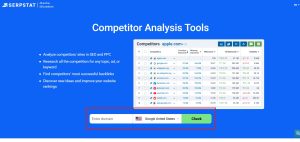
- Enter a competitor’s domain into an SEO tool.
- Find pages on their site that return 404 errors.
- Review backlinks pointing to those broken pages.
- Check whether you have a relevant replacement page.
- Contact the websites linking to the dead competitor page.
This works especially well when a competitor deleted an old guide, merged content, or changed their URL structure.
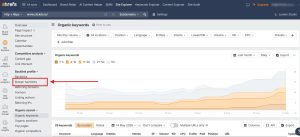
Method 3: Use SEO Tools to Discover 404 Pages
SEO tools can speed up the process by showing broken pages, referring domains, anchor text, and link context.
Common tools include:
- Ahrefs
- Semrush
- Screaming Frog
- Google Search Console
- Broken Link Checker extensions
- Check My Links
- Sitebulb
Paid tools are useful for scale. Free tools are useful for manual checks and smaller campaigns.
Method 4: Check Old Articles, Guides, and Statistics Pages
Old articles often contain outdated citations. Statistics pages are especially useful because data sources frequently move, update, or disappear.
Look for pages such as:
- Industry statistics articles
- “Best resources” pages
- Tool roundups
- Old research summaries
- University or nonprofit guides
- Government or educational resource pages
Then check outbound links to see whether any lead to dead pages.
Which Broken Link Building Tools Should You Use in 2026?
The best broken link building tools in 2026 are the ones that help me find, verify, qualify, and track opportunities.
You do not need every tool. You need a workflow that is reliable.
Ahrefs for Broken Backlink Analysis
Ahrefs is useful for finding broken pages with backlinks. You can enter a competitor domain, check broken pages, review referring domains, and identify which websites still link to dead URLs.
This is helpful because it starts with proven link intent. The linking websites have already shown that they are willing to reference content in my niche.
Semrush for Backlink Audits and Prospect Research
Semrush is useful for backlink analysis, backlink audits, competitor research, and link building campaign management.
You can use it to identify broken backlinks, analyze referring domains, and organize prospects. It is also useful for reviewing whether a target website appears legitimate and relevant.
Google Search Console for My Own Broken Links
Google Search Console is useful for finding indexing issues and 404 pages on my own website.
This matters because broken link building is not only about getting new backlinks. Sometimes I already have backlinks pointing to old URLs on my site. If those URLs are broken, I may be losing value. In that case, I can update the page, add a redirect, or reclaim the link.
Browser Extensions and Free Broken Link Checkers
Browser extensions are helpful for quick manual reviews. You can open a resource page, run the extension, and quickly see which outbound links are broken.
This is ideal when you are reviewing a small batch of pages manually.
How Do You Choose the Right Broken Link Opportunities?
At ClickDo, We choose broken link opportunities by checking relevance, authority, page quality, link context, and replacement fit.
Not every broken link is worth pursuing. Some pages are outdated, spammy, irrelevant, or unlikely to respond. A premium broken link building campaign is selective.
Check Website Relevance Before Outreach
The target website should be connected to my niche.
For example, if I am promoting an SEO guide, I would prioritize:
- Marketing blogs
- SaaS blogs
- Business education sites
- Startup resources
- Agency blogs
- University marketing pages
I would avoid unrelated sites, even if they have high authority.
Review Domain Quality and Traffic Signals
Before sending outreach, review the website’s quality and look for signs such as:
- Real authors or editorial standards
- Consistent publishing history
- Relevant organic traffic
- Clear audience
- Natural outbound links
- No obvious link spam
A website does not need to be huge. It just needs to be real, relevant, and trustworthy.
Match Anchor Text and Page Intent Naturally
Anchor text tells me what the original link was supposed to support.
If the anchor text says “complete guide to technical SEO,” my replacement should be a technical SEO guide. If the anchor says “2024 ecommerce statistics,” my replacement should be a current ecommerce statistics resource.
The closer the match, the stronger the pitch.
Avoid Spammy or Low-Value Link Prospects
We avoid websites that exist mainly to sell links, publish thin content, or link to unrelated pages.
Broken link building should not become a shortcut for low-quality backlinks. If a site looks risky, We skip it.
Broken Link Building Example: A Step-by-Step Scenario
Here is a practical example of how I would run a broken link building campaign.
Step 1: Find a Relevant Resource Page
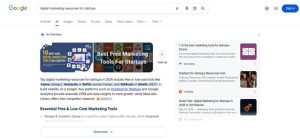
I search for:
digital marketing resources for startups
I find a business blog with a resource page listing SEO, analytics, email marketing, and content marketing guides.
Step 2: Identify the Dead Link
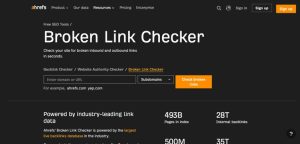
I run a broken link checker and find one link pointing to an old “SEO checklist for startups” that now returns a 404 error.
Step 3: Create or Choose Replacement Content
Check the archived version of the missing page and see that it covered basic SEO tasks for new businesses.
I already have a current guide called “Startup SEO Checklist: A Beginner-Friendly Guide.” It covers the same topic and includes updated steps, examples, and tools.
Step 4: Take Screenshots for Proof
Take two screenshots:
- The page showing the broken link location.
- The 404 error page after clicking the broken link.
This helps the recipient verify the issue quickly.
Step 5: Send a Helpful Outreach Email
Send a short email explaining the broken link and offering my guide as a possible replacement.
Keep the email focused on the fix, not on my backlink goal.
Step 6: Track Replies and Backlinks
Track:
- Date contacted
- Website name
- Contact email
- Broken URL
- Replacement URL
- Response status
- Link status
- Follow-up date
This helps to measure campaign performance and avoid duplicate outreach.
Broken Link Building Workflow Table
A simple broken link building workflow keeps the campaign organized and measurable.
| Campaign Stage | What To Do | Tool Examples | Output |
| Prospecting | Find relevant pages with outbound links | Google, Ahrefs, Semrush | List of target pages |
| Link Checking | Identify broken links | Browser checker, Screaming Frog | Dead URLs |
| Qualification | Review relevance and quality | Ahrefs, Semrush, manual review | Approved prospects |
| Content Matching | Choose or create replacement content | Wayback Machine, content audit | Replacement URL |
| Outreach | Contact the site owner or editor | Gmail, Hunter, CRM | Sent emails |
| Follow-Up | Send one polite reminder | Email platform | More replies |
| Tracking | Monitor links and outcomes | Spreadsheet, SEO tool | Campaign results |
Conclusion: Is Broken Link Building Worth It in 2026?
Broken link building is worth it in 2026 when we at ClickDo approach it as a helpful editorial process, not a quick backlink trick.
The strategy works because broken links are common, website owners care about reader experience, and strong replacement content can solve a real problem. But success depends on relevance, accuracy, and trust.
At ClickDo, we believe broken link building should focus on usefulness first. We find the right opportunities, create or choose genuinely valuable replacement content, show clear proof, and write outreach emails that respect the recipient’s time.
The best ClickDo-style broken link building campaigns are not built on volume alone. They are built on relevance, quality, and genuine value. When we help another website improve its content, we create a better reason for them to link back to a resource that supports their readers.