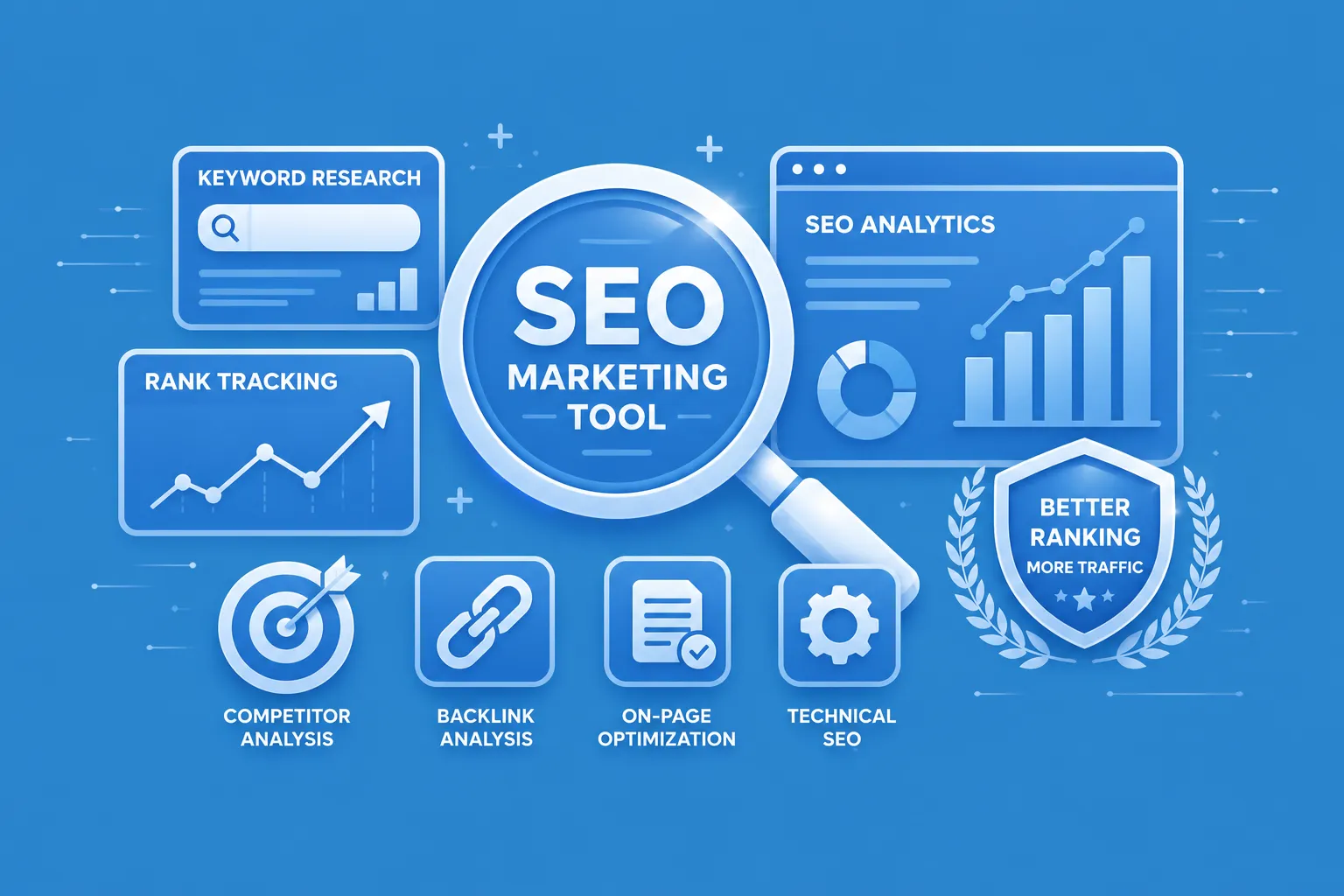


The best SEO optimization tools do much more than find keywords or tell you where a website ranks. Modern SEO involves several different processes: understanding search demand, analysing competitors, improving content, fixing technical problems, monitoring rankings, measuring organic traffic and evaluating the authority supporting individual pages.
Trying to manage all of this manually becomes increasingly difficult once a website grows beyond a small number of pages.
The right SEO software can turn thousands of URLs, queries and technical signals into information that can actually be acted upon. However, there is an important limitation.
An SEO tool cannot optimise a website by itself
Software can reveal opportunities, diagnose problems and measure changes. It cannot decide whether a page genuinely satisfies search intent, whether a business deserves to rank or whether a content strategy makes commercial sense.
The strongest SEO setups therefore combine reliable data with experienced human judgement.
Quick Picks: What Are the Best SEO Optimization Tools in 2026?
For anyone looking for a quick recommendation, these are some of the strongest options for different SEO requirements:
- Best Overall SEO Optimization Tool: Semrush
- Best for Competitor SEO Research: Ahrefs
- Best Free SEO Tool: Google Search Console
- Best for Technical SEO Crawling: Screaming Frog SEO Spider
- Best for SEO Agencies: SE Ranking
- Best for Content Optimization: Surfer SEO
- Best for Enterprise Content Teams: Clearscope
- Best for Beginner-Friendly SEO: Moz Pro
- Best for Technical SEO Visualisation: Sitebulb
- Best for Rank Tracking: AccuRanker
- Best WordPress SEO Plugin: Rank Math
- Best for Page Speed Analysis: Google PageSpeed Insights
- Best for Organic Traffic Measurement: Google Analytics 4
- Best for Search Trends: Google Trends
- Best for Backlink Relevance Analysis: Majestic
There is no single SEO platform that is automatically the best choice for every website.
A small local business may only need Search Console, Analytics and a WordPress SEO plugin. An agency managing 50 websites may need Semrush, Screaming Frog, AccuRanker and specialised reporting software.
The useful question is not:
Which SEO tool has the most features?
It is:
Which tool solves the biggest problem in the current SEO workflow?
What Are SEO Optimization Tools?
SEO optimization tools are software platforms that help website owners, marketers and SEO professionals understand and improve organic search performance.
Depending on the platform, they can assist with:
- Keyword research
- Competitor analysis
- Technical website audits
- Content optimisation
- Search performance monitoring
- Rank tracking
- Backlink analysis
- Internal linking
- Page speed
- Reporting and measurement
A website attempting to improve organic visibility normally needs information from several of these areas.
For example, a page may have excellent content but poor internal linking. Another page may be technically perfect but target a keyword nobody searches for. A third may rank well but generate almost no conversions.
SEO optimization software helps identify these differences.
The important distinction is that data collection and SEO strategy are not the same thing.
A platform may discover 10,000 keywords. That does not mean a website should create 10,000 pages.
The real value comes from deciding which opportunities match the website’s expertise, products, audience and commercial objectives.
What Features Should the Best SEO Optimization Tools Have?
Not every SEO tool needs every possible feature. Specialist software can sometimes outperform all-in-one platforms for a particular task.
| Feature | Why It Matters | Practical Benefit |
| Keyword research | Identifies what people search for | Finds content and commercial opportunities |
| Search intent analysis | Explains what users expect | Reduces mismatched pages |
| Competitor research | Reveals what currently performs | Provides realistic SEO benchmarks |
| Rank tracking | Monitors keyword positions | Measures visibility changes |
| Site crawling | Finds technical problems | Improves crawlability and indexability |
| Content optimisation | Evaluates topic coverage | Strengthens existing and new content |
| Backlink analysis | Reviews external authority | Identifies opportunities and risks |
| Internal link analysis | Maps connections between pages | Improves crawl paths and authority distribution |
| Page speed testing | Identifies performance problems | Supports better user experience |
| Search Console integration | Connects first-party search data | Improves decision-making |
| Reporting | Consolidates performance information | Makes SEO easier to communicate |
| Historical data | Shows changes over time | Helps identify trends and declines |
The strongest SEO stack normally combines first-party data with third-party competitive intelligence.
Google can tell you what is happening to your own website.
Third-party tools become particularly valuable when you need to understand what is happening to websites you do not control.
Top 20 Best SEO Optimization Tools for 2026
1. Semrush – Best Overall SEO Optimization Tool
Check Semrush
Its ecosystem covers keyword research, domain analysis, competitor research, site auditing, rank tracking, backlinks and content-related workflows.
That breadth is important because SEO problems rarely exist independently.
A drop in traffic might be connected to ranking changes, technical problems, competitor improvements, lost backlinks or changing search demand. Having several datasets inside the same platform makes those relationships easier to investigate.
Why Is Semrush Useful for SEO Optimization?
Semrush is particularly effective when SEO needs to operate as an ongoing business process rather than an occasional website check.
A team can research competitors, discover keywords, audit a website and monitor ranking changes without constantly exporting data between unrelated systems.
Its backlink functionality can also complement dedicated backlink monitoring tools when authority development forms part of the wider SEO strategy.
Best For
Semrush is particularly suitable for:
- SEO agencies
- Established businesses
- SaaS companies
- Ecommerce websites
- In-house marketing teams
- Businesses managing several websites
Strategic Advantage
Its biggest strength is not necessarily being the best individual tool for every single SEO task.
The advantage is having enough information across several disciplines to investigate an SEO problem from different angles.
Verdict: Semrush is one of the strongest overall SEO optimization tools for organisations that want research, technical analysis, rankings and competitive intelligence in one ecosystem.
2. Ahrefs – Best for Competitor SEO Research
Why are competing websites outranking us?
The platform can help investigate organic keywords, ranking pages, content gaps and backlinks supporting competing domains.
This makes it valuable because SEO optimisation should not take place in isolation.
A website could improve a page substantially while still failing to compete if the businesses above it have better content, stronger authority and considerably more relevant backlinks.
Competitor-Led SEO Research
A practical Ahrefs workflow may involve comparing:
- Keywords competitors rank for
- Pages generating organic visibility
- Referring domains
- Content gaps
- Lost links
- Internal links
- Link growth
- Ranking movement
The platform becomes particularly useful when conducting competitor backlink analysis or looking for a backlink gap between your website and stronger competitors.
Why This Matters?
SEO optimisation becomes much more useful when benchmarks come from websites currently winning the search results.
Instead of deciding that a 1,500-word article “should be enough”, you can investigate the actual pages Google currently rewards and understand what differentiates them.
Best For
- Competitive SEO research
- Backlink analysis
- Content gap analysis
- Organic competitor discovery
- Link prospecting
- SEO agencies
- Content-led websites
SEO teams can also use the platform to audit internal links rather than looking exclusively at external backlinks.
Verdict: Ahrefs is one of the strongest tools for understanding competitors, content opportunities and the authority behind search rankings.
3. Google Search Console – Best Free SEO Optimization Tool
Unlike third-party platforms estimating organic visibility using their own databases, Search Console provides information about how a verified website appears within Google Search.
That distinction is extremely important.
What Can Search Console Reveal?
It can help identify:
- Queries generating impressions
- Pages receiving clicks
- Changes in search visibility
- Average ranking positions
- Indexing problems
- Crawled URLs
- Sitemaps
- Core Web Vitals information
- Internal and external link information
Search Console can therefore identify optimisation opportunities that might otherwise remain hidden. Imagine a page receiving 50,000 impressions but only a small number of clicks.
The page is already being shown.
The initial optimisation priority may therefore be the title, search intent, content positioning or SERP competitiveness rather than creating another article targeting the same subject.
Search Console can also be useful when trying to find backlinks for a site you own.
Best For
Every website.
Whether a business uses Semrush, Ahrefs or another premium platform, Search Console still provides information that should not be ignored.
Verdict: Google Search Console is the most important free SEO tool because it provides first-party information about how a website actually performs within Google Search.
4. Screaming Frog SEO Spider – Best Technical SEO Crawler
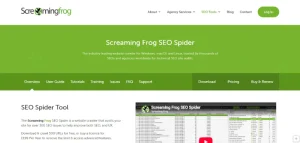
Instead of primarily analysing keyword databases or competitors, it crawls websites and extracts technical information about their pages.
This makes it extremely useful for identifying problems that may be difficult to detect manually.
What Can Screaming Frog Help Identify?
A crawl can reveal issues involving:
- Broken internal links
- Redirect chains
- Missing title tags
- Duplicate metadata
- Canonical tags
- Indexability
- Heading structures
- Internal linking
- Crawl depth
- Image sizes
- Status codes
- Orphan-page investigations
This becomes particularly important on websites containing hundreds, thousands or millions of URLs.
Opening every page individually is not realistic.
Website Migration Use Case
Screaming Frog can also be extremely useful during website migrations.
Before changing a website, the old URLs can be crawled and recorded. After launch, the new version can be checked to ensure important URLs redirect correctly and existing organic value has not been accidentally lost.
Best For
- Technical SEO professionals
- Agencies
- Developers
- Ecommerce stores
- Large publishers
- Website migrations
- Technical audits
Verdict: Screaming Frog is one of the most useful SEO optimization tools when the problem exists within the technical structure of the website rather than its keyword strategy.
5. SE Ranking – Best for SEO Agencies and Growing Businesses
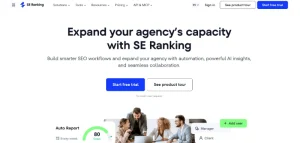
Its features span rank tracking, keyword research, competitive analysis, website auditing and backlink monitoring.
Why SE Ranking Works Well for Agencies?
SEO agencies frequently need something slightly different from individual website owners.
They need to:
- Manage multiple projects
- Monitor keyword movements
- Review website health
- Compare competitors
- Produce reports
- Demonstrate progress to clients
A platform that reduces the amount of manual reporting involved can create substantial operational savings.
Best For
SE Ranking works particularly well for:
- Small SEO agencies
- Consultants
- Freelancers
- In-house marketing teams
- Small and medium-sized businesses
- Multi-location campaigns
Strategic Advantage
It sits between highly specialised tools and large enterprise-style marketing suites.
Businesses that do not need every feature offered by the most complex SEO platforms may find that balance useful.
Verdict: SE Ranking is a strong option for businesses and agencies that want an accessible combination of keyword tracking, audits, research and reporting.
6. Surfer SEO – Best for On-Page Content Optimization

It analyses pages competing within a SERP and turns that information into recommendations that writers and editors can use while creating or updating content.
Where Does Surfer Add Value?
Content teams often face a difficult question.
How comprehensive does this page actually need to be?
The answer cannot reliably be determined through word count alone.
Surfer can help identify topics, terminology and structural patterns associated with competing pages.
That information can then influence:
- Content briefs
- Existing article updates
- Landing pages
- Blog posts
- Supporting sections
- Topic coverage
Important Limitation
Content optimisation scores should not become writing targets by themselves. Adding every suggested phrase simply because software recommends it can make an article worse rather than better.
The page still needs:
- Original information
- Appropriate expertise
- Logical structure
- Useful examples
- Clear writing
- Accurate facts
- Genuine search intent alignment
Verdict: Surfer SEO is particularly useful for teams producing large amounts of search-led content, provided its recommendations support rather than replace editorial judgement.
7. Clearscope – Best for Enterprise Content Optimization
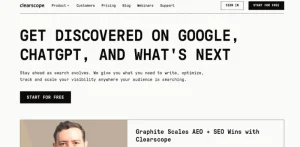
Its focus is helping teams understand topic coverage and relevance while maintaining content quality.
Why Clearscope Is Useful?
Large content teams face a consistency problem.
One experienced SEO editor may know intuitively what a strong article needs to cover. That knowledge becomes more difficult to maintain when dozens of writers, editors and freelancers are contributing to the same website.
Content optimisation platforms can provide a more repeatable framework.
Best For
- SaaS companies
- Enterprise content teams
- Large publishers
- Content agencies
- Editorial departments
- High-value commercial content
Strategic Consideration
Clearscope is most useful when content quality already matters commercially.
There is little value in paying for advanced optimisation software if the wider publishing process still produces thin, inaccurate or undifferentiated articles.
Verdict: Clearscope is a strong premium choice for organisations that treat organic content as a serious long-term business asset.
8. Moz Pro – Best for Beginner-Friendly Professional SEO
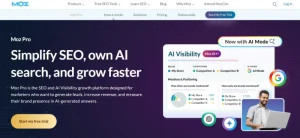
Moz Pro combines keyword research, rank tracking, site crawling and link-related metrics within a relatively approachable ecosystem.
Why Moz Remains Useful?
SEO software can easily become overwhelming.
Advanced platforms may contain hundreds of reports, filters and proprietary metrics. More information does not automatically result in better decisions.
Moz can be useful when a team wants professional SEO data without making the learning curve unnecessarily difficult.
It is also widely associated with third-party metrics including Domain Authority and Page Authority.
Those metrics can be useful for comparison, but they should not be confused with ranking signals used directly by Google.
The same principle applies to DR, Trust Flow and other platform-specific measurements.
Best For
- Growing marketing teams
- SEO beginners
- Content marketers
- Small agencies
- Businesses learning competitor analysis
Verdict: Moz Pro remains particularly useful when accessibility and understandable SEO reporting are more important than having the deepest possible dataset.
9. Sitebulb – Best for Visual Technical SEO Audits
Why Visualisation Matters?
Consider website architecture.
A spreadsheet might tell you that several important pages are six clicks away from the homepage.
A visual crawl map can make the problem considerably easier to understand.
This is particularly useful when technical recommendations need to be communicated to:
- Developers
- Clients
- Designers
- Marketing managers
- Senior stakeholders
Best For
- Technical SEO audits
- Website architecture reviews
- Agency reporting
- Large websites
- Crawl analysis
- Internal linking investigations
Practical Advantage
The most technically sophisticated report is not always the most useful report. If nobody understands the problem, nobody fixes it.
Verdict: Sitebulb is particularly valuable when teams need strong technical analysis presented in a form that is easier to investigate and communicate.
10. AccuRanker – Best Dedicated Rank Tracking Tool

AccuRanker specialises in this particular part of SEO.
Why Use a Dedicated Rank Tracker?
All-in-one SEO platforms usually provide rank tracking. However, businesses that depend heavily on daily or highly structured ranking information may prefer specialist software.
This can be particularly important for:
- Large SEO agencies
- Enterprise websites
- International SEO
- Multi-location businesses
- Ecommerce categories
- Competitive campaigns
What Should Rankings Be Used For?
Rankings should not become the only SEO KPI.
Moving from position seven to position four is positive, but the commercial impact depends on whether the keyword generates useful traffic and conversions.
A strong reporting system therefore combines rankings with impressions, clicks, organic traffic and business outcomes.
Verdict: AccuRanker is most useful for organisations where accurate and scalable keyword position monitoring is a central part of SEO operations.
11. Rank Math – Best WordPress SEO Optimization Plugin
Rank Math gives WordPress website owners access to many common optimisation controls without requiring developers to edit templates manually.
What Can a WordPress SEO Plugin Help With?
Depending on the website configuration, an SEO plugin can simplify management of:
- SEO titles
- Meta descriptions
- Canonical URLs
- Indexing controls
- XML sitemaps
- Structured data
- Social metadata
- Redirect-related workflows
This can make routine optimisation considerably easier.
Important Clarification
Installing an SEO plugin does not automatically optimise a WordPress website.
A plugin may tell you that a focus keyword is missing from somewhere on the page. That does not necessarily mean adding the phrase improves the page.
Plugins provide controls and recommendations.
Strategy still matters.
Verdict: Rank Math is one of the strongest WordPress SEO tools for website owners who want broad optimisation functionality directly inside their CMS.
12. Yoast SEO – Best for Structured WordPress Publishing Workflows

It provides straightforward control over many of the technical and on-page elements required during publishing.
Why Yoast Remains Useful?
The biggest benefit of plugins such as Yoast is consistency.
When several people publish content, the plugin can create a familiar process around:
- Metadata
- Indexation
- Canonicals
- XML sitemaps
- Content checks
- Social previews
That consistency can be more valuable than individual optimisation scores.
Rank Math or Yoast?
The better choice depends heavily on workflow and website requirements.
Switching SEO plugins simply because another product offers more visible features is not always necessary.
If the current configuration works properly, migration should solve an actual problem.
Verdict: Yoast remains a practical choice for WordPress websites wanting a mature and structured SEO publishing workflow.
13. Google PageSpeed Insights – Best Free Page Performance Tool
Google PageSpeed Insights helps diagnose performance-related issues and provides information connected to Core Web Vitals and page loading behaviour.
What Can PageSpeed Insights Help Investigate?
Performance problems may involve:
- Large images
- Render-blocking resources
- JavaScript
- Server response time
- Layout shifts
- Loading behaviour
- Main content rendering
However, performance recommendations require context.
Removing every script from an ecommerce website might improve a laboratory score while breaking analytics, checkout functionality or other important features.
Best For
- Developers
- Technical SEOs
- Ecommerce websites
- Publishers
- Mobile-heavy websites
- Performance audits
Strategic Principle
A perfect performance score is not the objective.
A fast, stable and usable website is.
Verdict: Google PageSpeed Insights is an essential free diagnostic tool for websites investigating performance and Core Web Vitals problems.
14. Google Analytics 4 – Best for Measuring Organic Traffic Behaviour
Google Analytics helps answer a different question:
What happens after people arrive?
That distinction matters because ranking improvements are only valuable when they contribute to meaningful website activity.
What Should SEO Teams Measure?
Depending on the business, useful organic performance measurements can include:
- Landing-page traffic
- Engagement
- Enquiries
- Leads
- Purchases
- Sign-ups
- Revenue
- Returning visitors
- Conversion pathways
A keyword ranking report cannot provide this complete picture.
Search Console and Analytics Together
Search Console primarily helps explain what happens before and during the search click. Analytics helps explain what happens after visitors reach the website.
Using both provides considerably more context than relying on either dataset independently.
Verdict: Google Analytics 4 is not an SEO research platform, but it remains essential for determining whether organic visibility is producing useful business outcomes.
15. Bing Webmaster Tools – Best Additional Free Search Engine Data
Why Should SEO Teams Use It?
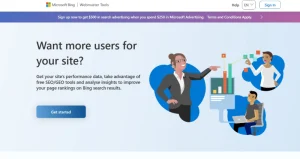
If a website already receives search traffic from Bing, ignoring the available first-party data makes little sense.
The platform can help with areas including:
- Search performance
- Indexation
- Crawling
- Sitemaps
- URL inspection
- Technical problems
The value is particularly attractive because website owners can use it alongside Search Console rather than replacing another paid platform.
Verdict: Bing Webmaster Tools is a useful free addition to an SEO stack, particularly for websites wanting broader first-party search engine visibility.
16. Google Trends – Best for Understanding Search Demand

It is not.
Topics rise and fall.
Products become popular.
News events create sudden demand.
Seasonal queries return at predictable times.
Google Trends is valuable because it adds timing and direction to keyword research.
Practical SEO Uses
Suppose two keywords appear to have similar search potential.
One has been declining steadily for five years.
The other has grown sharply over the last 12 months.
That information may influence which topic deserves more investment.
Google Trends is particularly useful for:
- Seasonal content
- News-led SEO
- Product research
- Regional comparisons
- Emerging topics
- Content calendars
Limitation
Trends data should normally support rather than replace dedicated keyword research.
It tells you how interest behaves rather than providing every metric needed for SEO prioritisation.
Verdict: Google Trends is one of the most useful free supporting tools for understanding when and where search demand is changing.
17. AnswerThePublic – Best for Search Questions and Content Ideas

AnswerThePublic helps expose question-based and related searches around topics.
Why Question Research Matters?
A broad keyword such as “business insurance” can represent many different information needs.
Users may want to know:
- What insurance is required?
- How much does it cost?
- Which policies are legally required?
- What does a policy cover?
- Is insurance necessary for sole traders?
Understanding those questions can help a content team build a much more useful page or topical cluster.
Best For
- Content ideation
- FAQ research
- Long-tail keywords
- Topic expansion
- Editorial planning
- Search intent research
Verdict: AnswerThePublic is particularly useful during early-stage content research when the objective is understanding how people frame questions around a subject.
18. Ubersuggest – Best Affordable SEO Tool for Beginners
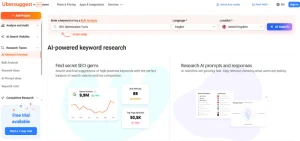
Ubersuggest is designed to make core SEO information easier to access for smaller businesses, bloggers and beginners.
Its functionality spans areas such as keyword research, competitor analysis, content ideas and backlink information.
Why Simplicity Can Be an Advantage?
An SEO platform containing millions of rows of data is not automatically more useful to a small business.
If the website owner only needs to:
- Find keyword ideas
- Check competitors
- Review backlinks
- Monitor a small keyword set
- Identify content opportunities
A simpler system may produce better practical results.
Best For
- Bloggers
- Small businesses
- Early-stage websites
- Freelancers
- SEO beginners
Verdict: Ubersuggest is a useful entry point for people who need core SEO research without immediately adopting a more complicated professional platform.
19. Majestic – Best for Analysing Backlink Relevance
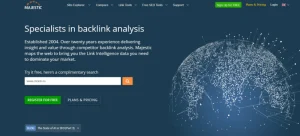
Its well-known metrics include Trust Flow, Citation Flow and Topical Trust Flow.
Why Topical Relevance Matters?
Authority should not be evaluated through one number.
Suppose a finance website can acquire one backlink from an unrelated entertainment website and another from a respected financial publication.
A generic authority score may not fully explain the difference between those opportunities.
Topical signals can add another layer to the evaluation.
This is particularly useful when comparing data from different SEO tools for checking backlinks.
Metrics Are Not Ranking Factors
Trust Flow, Domain Rating and Domain Authority belong to third-party SEO platforms.
They are diagnostic measurements.
They should not be presented as Google ranking factors.
A website should still be evaluated manually for:
- Relevance
- Content quality
- Organic visibility
- Editorial standards
- Real audience
- Link context
Verdict: Majestic is most useful as a specialist backlink qualification tool rather than a complete SEO optimization platform.
20. Google Keyword Planner – Best Free Starting Point for Keyword Discovery
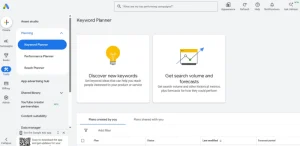
It can help businesses discover search terminology and investigate the way potential customers describe products or services.
Where Keyword Planner Adds Value?
Keyword research often begins with assumptions.
A company may internally describe its service using terminology customers rarely use.
Keyword research can expose that gap.
For example, users may search for:
- A simpler phrase
- A more commercial phrase
- A location-specific variation
- A problem rather than a service
- A product category rather than a technical term
That information can influence site architecture and content planning.
Important Limitation
Keyword volume should never become the only prioritisation metric.
A smaller search term with strong commercial intent may be considerably more valuable than a large informational keyword that generates no customers.
Verdict: Google Keyword Planner is a useful free starting point for keyword discovery, particularly when combined with Search Console and specialist SEO research platforms.
Best SEO Optimization Tools Comparison
| Tool | Best For | Main Strength | Role in SEO Workflow |
| Semrush | Overall SEO | Broad marketing and SEO ecosystem | Research and management |
| Ahrefs | Competitor research | Organic and backlink intelligence | Competitive analysis |
| Google Search Console | First-party Google data | Search performance and indexing | Measurement |
| Screaming Frog | Technical SEO | Deep website crawling | Technical audits |
| SE Ranking | Agencies | Tracking and reporting | Campaign management |
| Surfer SEO | Content optimisation | SERP-led recommendations | On-page SEO |
| Clearscope | Enterprise content | Topical coverage | Editorial optimisation |
| Moz Pro | Accessible SEO | Simplified SEO metrics | Research and monitoring |
| Sitebulb | Technical visualisation | Audit interpretation | Technical SEO |
| AccuRanker | Rank tracking | Dedicated position monitoring | Visibility tracking |
| Rank Math | WordPress | CMS-level SEO controls | On-page implementation |
| Yoast SEO | WordPress publishing | Structured optimisation workflow | Publishing |
| PageSpeed Insights | Performance | Core Web Vitals diagnostics | Technical performance |
| Google Analytics 4 | Organic outcomes | Behaviour and conversion data | Measurement |
| Bing Webmaster Tools | Bing visibility | Free first-party search data | Search monitoring |
| Google Trends | Search demand | Trend and seasonality analysis | Content research |
| AnswerThePublic | Search questions | Question discovery | Content planning |
| Ubersuggest | Beginners | Accessible SEO research | Entry-level optimisation |
| Majestic | Link evaluation | Topical link metrics | Authority analysis |
| Google Keyword Planner | Keyword ideas | Search terminology research | Keyword discovery |
Which SEO Optimization Tool Should You Choose?
The answer depends on the problem you are trying to solve.
1. If You Need One Main SEO Platform
Start with:
Semrush, Ahrefs or SE Ranking
Semrush provides broad marketing and SEO functionality.
Ahrefs is particularly strong when competitor and backlink research are major priorities.
SE Ranking may suit teams wanting a more operational combination of tracking, auditing and reporting.
2. If Your Website Has Technical SEO Problems
Consider:
Screaming Frog plus Google Search Console
Screaming Frog can crawl the website and expose technical patterns.
Search Console can show whether Google is experiencing indexing or visibility problems.
Sitebulb can add another layer when audit visualisation is important.
3. If Your Main Problem Is Content Quality
Consider:
Surfer SEO or Clearscope
Use the software to understand SERP patterns and topic coverage.
Do not treat optimisation scores as a substitute for research, expertise or useful writing.
4. If You Run WordPress
Consider:
Rank Math or Yoast SEO
You normally do not need both.
Choose the plugin that fits the website configuration and publishing workflow.
5. If You Need Better Backlink Intelligence
Consider:
Ahrefs, Semrush or Majestic
Ahrefs is particularly useful for research and discovery.
Semrush connects backlink information to a broader SEO workflow.
Majestic can add another perspective when assessing topical relevance.
6. If You Need Free SEO Tools
A surprisingly capable free stack can be created with:
Google Search Console + Google Analytics 4 + PageSpeed Insights + Google Trends + Bing Webmaster Tools
The main limitation will be competitor intelligence.
That is usually where premium third-party platforms become much more useful.
What Is the Best SEO Tool Stack for a Business?
Buying 20 subscriptions is not the objective.
A better approach is to map software to specific SEO stages.
Stage 1: Discover Search Opportunities
Use:
Semrush, Ahrefs, Google Keyword Planner, Google Trends or AnswerThePublic
Start by understanding demand and search intent before producing new pages.
Stage 2: Analyse the Competition
Use:
- Ahrefs or Semrush
Investigate the pages already ranking.
Look beyond keyword positions.
Review:
- Content format
- Search intent
- Backlinks
- Referring domains
- Site authority
- Page type
- Topic coverage
If competitors have substantially stronger authority, additional content alone may not close the gap.
Stage 3: Build or Improve Content
Use:
Surfer SEO or Clearscope
Content optimisation software can help identify missing areas, but the final page should offer something beyond what competing pages already provide.
That might include:
- Original research
- First-hand experience
- Better examples
- Current information
- Expert commentary
- Interactive elements
- Clearer explanations
- More useful comparisons
Stage 4: Audit the Website
Use:
Screaming Frog, Sitebulb and Search Console
Check whether technical problems could prevent otherwise strong content from performing.
Stage 5: Improve Authority
Use:
Ahrefs, Semrush or Majestic
Research competitors and identify realistic link opportunities.
Do not simply pursue every domain with a high third-party authority score.
Relevance still matters.
Stage 6: Track Rankings
Use:
AccuRanker, SE Ranking, Semrush or Ahrefs
Monitor groups of commercially meaningful keywords rather than obsessing over every variation.
Stage 7: Measure Business Results
Use:
Google Search Console and Google Analytics 4
Rankings should eventually connect with outcomes.
If rankings increase but leads do not, investigate:
- Keyword intent
- Landing pages
- Calls to action
- Conversion paths
- User experience
- Offer quality
That creates an SEO workflow rather than a collection of disconnected dashboards.
How Can SEO Tools Find Content Optimization Opportunities?
One of the most valuable uses of SEO software is improving pages that already have some visibility.
Creating new content is not always the highest-priority SEO activity.
Existing pages may offer faster opportunities.
- Step 1: Find Pages With High Impressions: Use Google Search Console to identify URLs receiving significant impressions.
- Step 2: Review Queries: Determine which searches are triggering those pages. This often reveals keywords that were never explicitly targeted.
- Step 3: Compare Search Intent: Open the current search results and investigate the dominant page types. If Google primarily shows product pages and your result is a general blog article, the issue may be format rather than word count.
- Step 4: Analyse Competitors: Use Semrush or Ahrefs to understand what competing URLs rank for and what authority supports them.
- Step 5: Review Content Coverage: Use Surfer SEO or Clearscope as supporting evidence.
- Look for genuinely useful missing topics rather than mechanically inserting phrases.
- Step 6: Check Technical Health: Use Screaming Frog and Search Console to confirm that the URL is internally linked, indexable, canonicalised correctly and technically accessible.
- Step 7: Measure the Update: Record the update date and monitor impressions, clicks, positions and conversions afterwards.
This creates a much stronger feedback loop than continually publishing articles without checking whether previous work actually improved performance.
Can AI Replace SEO Optimization Tools?
AI can automate parts of SEO research and execution, but it does not eliminate the need for reliable SEO data.
AI systems can be extremely useful for:
- Summarising keyword exports
- Categorising queries
- Grouping topics
- Reviewing pages
- Preparing content briefs
- Finding patterns
- Drafting metadata
- Analysing spreadsheets
- Creating reporting summaries
- Generating hypotheses
The limitation is data.
An AI model cannot automatically know your current Search Console clicks, live rankings or complete competitor backlink profile unless that information is provided or connected through another system.
Traditional SEO tools therefore remain valuable because they collect and structure the underlying information.
AI can then help interpret it.
The strongest model is increasingly:
SEO data + automation + human judgement
rather than attempting to replace every part of the process with AI.
Should You Trust SEO Tool Scores?
SEO platforms frequently reduce complex information into scores.
Examples can include:
- Content scores
- Website health scores
- Domain authority metrics
- Keyword difficulty
- SEO scores
- Toxicity scores
- Performance scores
These are useful indicators.
They are not absolute truths.
A page with an 80/100 content score does not automatically deserve to outrank a page scoring 65.
A domain with DR 70 is not automatically a better backlink opportunity than a highly relevant DR 45 industry publication.
A keyword marked “easy” is not guaranteed to rank.
Every proprietary score simplifies a more complicated dataset.
Use scores to identify areas worth investigating.
Do not turn them into the entire SEO strategy.
What Are the Most Common Mistakes When Using SEO Optimization Software?
SEO tools become considerably less useful when the data is interpreted without context.
- Chasing Search Volume Instead of Business Value: The biggest keyword is not necessarily the best keyword. A smaller high-intent search may generate considerably more commercial value.
- Treating Keyword Difficulty as an Absolute Rule: Difficulty metrics vary between platforms.: They should inform research rather than decide whether a keyword is possible.
- Publishing Everything a Keyword Tool Suggests: Thousands of related terms do not require thousands of pages.: Overlapping pages can fragment relevance and create cannibalisation.
- Obsessing Over Third-Party Authority Metrics: Metrics such as DA, DR and Trust Flow are useful comparison tools. They are not Google ranking factors.
- Optimising for Content Scores: A high software score cannot compensate for weak information.
- Fixing Every Audit Warning: Not every technical warning deserves equal priority. A broken internal link affecting an important commercial page may matter far more than hundreds of minor notices.
- Measuring Rankings Without Measuring Revenue: SEO exists to produce useful outcomes. Visibility is an intermediate metric.
Businesses should ultimately understand whether organic search contributes to enquiries, customers, sales or another meaningful objective.
How Many SEO Tools Does a Website Really Need?
Usually fewer than people expect.
A small website can operate effectively with several free tools and one specialist platform.
A typical setup might include:
Google Search Console + Google Analytics + Screaming Frog + one premium competitive SEO platform
A content-heavy publisher may add Surfer or Clearscope.
An agency may add dedicated rank tracking and reporting.
A link building operation may add deeper backlink intelligence.
Software should be added when the existing process develops a genuine limitation.
Buying another platform because it has an attractive dashboard rarely fixes a weak SEO strategy.
Final Verdict: Which Are the Best SEO Optimization Tools?
There is no universal SEO optimization platform capable of being the best option for every part of search marketing.
Semrush offers one of the strongest overall ecosystems for businesses wanting keyword research, competitor intelligence, technical audits, rankings and broader marketing information within the same environment.
Ahrefs is particularly valuable when optimisation depends heavily on understanding competitors, content gaps and backlinks.
Google Search Console should remain part of almost every SEO setup because it provides first-party information about Google Search visibility and indexing.
For technical SEO, Screaming Frog and Sitebulb provide much deeper website crawling capabilities than most basic SEO dashboards.
For search-led content, Surfer SEO and Clearscope can improve research and topic coverage, while Rank Math and Yoast SEO make routine implementation easier for WordPress websites.
SE Ranking offers an attractive combination of tracking, auditing and agency workflows, while AccuRanker makes sense when keyword position monitoring needs to become a specialised function.
Free platforms including PageSpeed Insights, Google Trends, Google Analytics 4 and Bing Webmaster Tools can then fill important gaps without requiring another subscription.
The central point is that SEO optimization tools do not create search visibility automatically.
They reduce uncertainty.
They show where opportunities exist, where technical problems need attention and where competitors may have an advantage.
The actual optimisation still depends on deciding which problems matter, creating pages that deserve visibility, building a technically reliable website and measuring whether increased rankings contribute to real business growth.
Frequently Asked Questions
What is the best SEO optimization tool?
Semrush is one of the strongest overall options because it combines keyword research, competitor analysis, site auditing, rank tracking and backlink information. However, Ahrefs may be stronger for competitor research, while Screaming Frog is better for specialised technical crawling.
What is the best free SEO tool?
Google Search Console is one of the most important free SEO tools because it provides first-party information about Google Search performance, indexing, queries, pages and technical visibility.
What SEO tools should beginners use?
Beginners can start with Google Search Console, Google Analytics 4, Google Trends and PageSpeed Insights. Ubersuggest or Moz can then provide more accessible keyword and competitor research.
Are paid SEO tools worth the money?
Paid tools become particularly useful when competitor research, historical data, rank tracking, backlink analysis or large-scale website management would otherwise require substantial manual work. Small websites may not need several premium subscriptions.
Is Ahrefs or Semrush better for SEO?
Ahrefs is particularly strong for competitor research, backlink analysis and organic investigation. Semrush provides a broader all-in-one marketing and SEO ecosystem. The better option depends on the team’s workflow rather than one platform being universally superior.
Can SEO tools guarantee higher rankings?
No. SEO software can provide data, diagnose problems and identify opportunities, but rankings depend on many factors including relevance, competition, technical accessibility, content quality, authority and search intent.
Can AI tools replace traditional SEO software?
Not completely. AI can analyse, categorise and interpret SEO information efficiently, but specialist tools are still needed to collect current keyword, ranking, crawl, backlink and first-party website data.
How many SEO tools should a business use?
There is no ideal number. Most businesses should begin with free first-party tools and add specialist software only when a specific limitation appears. A focused four-tool stack that is used properly is more valuable than 15 subscriptions that nobody checks.