


Link building is one of the most important parts of SEO because backlinks help search engines discover pages, understand website authority, and evaluate how trusted a site appears across the web. A strong backlink profile can support better rankings, more referral traffic, stronger brand visibility, and long-term organic growth.
However, not all link building techniques are equal. Some methods can build real authority, while others can create risk if they rely on spam, automation, irrelevant placements, or manipulative link schemes. The best approach is to focus on quality, relevance, useful content, and natural placement.
For businesses in the US and global markets, link building should not be about collecting random backlinks. It should be about earning or building links from websites that are relevant to the industry, audience, country, and search intent.
Below are the top 10 link building techniques that can help websites grow safely and strategically.
Top 10 Link Building Techniques to Build Quality Backlinks
1. Guest Posting on Relevant Websites
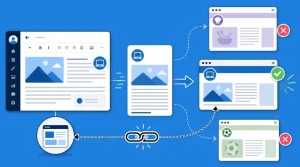
Guest posting is one of the most widely used link building techniques. It involves writing useful content for another website and including a natural backlink where it helps the reader.
A good guest post should not be written only for the backlink. It should provide real value to the website’s audience. The topic should match the host website, the content should be original, and the link should fit naturally inside the article.
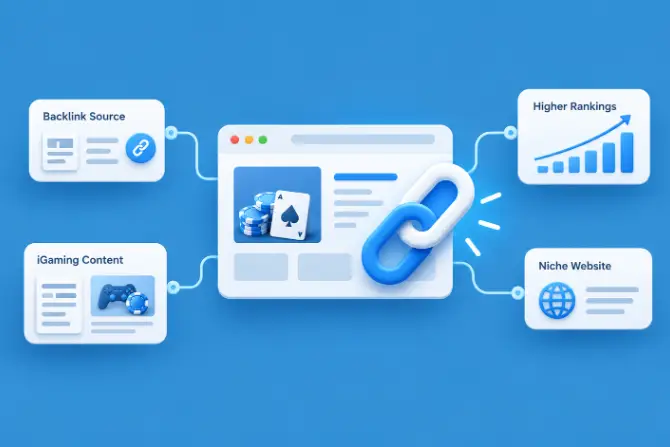
For example, a digital marketing brand can publish expert articles on SEO blogs, business websites, SaaS publications, or marketing platforms. A casino or iGaming brand may need placements on niche-relevant gaming or betting websites.
Guest posting works best when the website has real traffic, strong editorial standards, relevant content, and a clean link profile. Businesses that want support with quality guest post placements can explore a managed guest posting service as part of a wider SEO strategy.
2. Create Linkable Assets
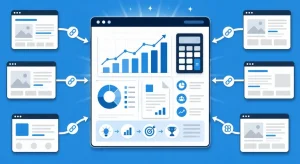
A linkable asset is a piece of content that naturally attracts backlinks because it is useful, original, or difficult to recreate. Instead of asking people to link to a basic service page, linkable assets give other websites a reason to reference your content.
Good linkable assets include:
- Original research
- Industry statistics
- Free tools
- Calculators
- Templates
- Checklists
- Data studies
- Infographics
- Glossaries
- Expert roundups
- Long-form guides
For example, a website publishing a detailed report on SEO trends, backlink statistics, or digital marketing costs may attract links from bloggers, journalists, agencies, and industry writers.
The main advantage of linkable assets is that they can keep earning backlinks over time. Once the asset is published and promoted, it may continue to attract links from articles, newsletters, resource pages, and social discussions.
3. Competitor Backlink Analysis
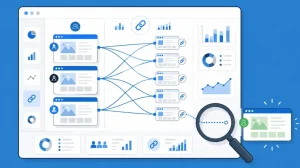
Competitor backlink analysis is a practical way to find link opportunities that already exist in your industry. Instead of guessing where to build links, you can study where competitors are getting their backlinks.
This technique involves checking:
- Which websites link to competitors
- Which competitor pages attract the most backlinks
- What anchor text competitors are using
- Which blogs accept guest posts
- Which directories list competitors
- Which publications mention them
- Which resource pages include them
- Which links they recently gained or lost
If a website links to multiple competitors but not to your brand, it may be a strong outreach target. This is known as a backlink gap.
For example, if three SEO competitors are listed on the same marketing resource page, your website may also be a suitable addition if it offers useful content or services.
Competitor backlink analysis works especially well for SaaS, ecommerce, local SEO, affiliate websites, casino SEO, finance, legal, and B2B industries.
4. Broken Link Building
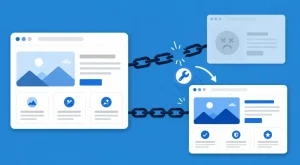
Broken link building is the process of finding broken links on other websites and suggesting your relevant content as a replacement.
This technique works because website owners often do not want dead links on their pages. Broken links create a poor user experience and can make content look outdated. If you can offer a useful replacement, the website owner has a reason to update the link.
The process is simple:
- Find relevant websites in your niche.
- Check their pages for broken outbound links.
- Identify a broken link that matches your content.
- Create or use a suitable replacement page.
- Contact the website owner politely.
- Suggest your page as a useful replacement.
Broken link building works best when your replacement content is genuinely relevant. It should not be a forced commercial page unless that page truly answers the same need as the broken resource.
5. Unlinked Brand Mentions
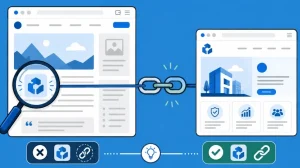
An unlinked brand mention happens when a website mentions your brand name but does not link to your website. These are often easier link opportunities because the website already knows your brand.
For example, if an article mentions ClickDo IO but does not link to the site, outreach can be used to politely ask whether the mention can be linked for reader convenience.
You can find unlinked brand mentions by searching for:
- Your brand name
- Product names
- Founder names
- Campaign names
- Service names
- Unique statistics or quotes
- Brand spelling variations
This technique is useful because the link request is natural. The website has already referenced the brand, so adding a link can improve the reader experience.
Unlinked mention outreach should be polite, short, and helpful. The request should explain that the link helps readers find the official source.
6. Digital PR and Expert Commentary
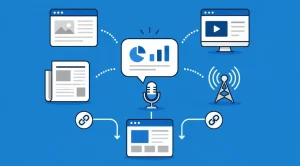
Digital PR is one of the strongest link building techniques because it can earn backlinks from trusted publications, journalists, bloggers, and industry websites.
This technique focuses on creating newsworthy stories, expert insights, or data-led content that publishers may want to cover.
Examples of digital PR link building include:
- Expert quotes
- Industry predictions
- Survey results
- Data studies
- Original research
- Reaction to industry news
- Founder interviews
- Market reports
- Local business stories
- Product launches
- Case studies
For example, an SEO expert can provide commentary on changes in search behaviour, AI search, local SEO trends, or backlink quality. If journalists use the quote, they may link back to the expert or business website.
Digital PR works best when the story has a clear angle. Publishers are more likely to link when the content is timely, useful, credible, and relevant to their readers.
7. Resource Page Link Building
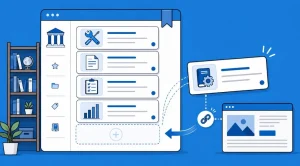
Resource pages are pages that list useful websites, tools, guides, or services on a specific topic. These pages are valuable link opportunities because they are already designed to link out to helpful resources.
Examples include:
- “Best SEO resources”
- “Useful small business tools”
- “Marketing guides for startups”
- “Recommended SaaS tools”
- “Local business resources”
- “Beginner guides to digital marketing”
To use this technique, find resource pages in your niche and review whether your content genuinely belongs there. Then contact the website owner and suggest your page as a useful addition.
The key is relevance. A backlink from a resource page only makes sense if your page helps the audience. A generic or irrelevant pitch is unlikely to work.
Resource page link building is effective for websites with strong guides, tools, templates, checklists, calculators, or educational resources.
8. HARO-Style Journalist Outreach
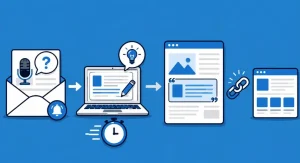
Journalist outreach involves responding to media requests from writers, bloggers, and journalists who need expert comments for articles.
This technique can earn high-quality backlinks because journalists often cite expert sources. It works well for business owners, consultants, SEO experts, founders, finance professionals, legal experts, health professionals, SaaS leaders, and niche specialists.
A good journalist response should be:
- Fast
- Clear
- Expert-led
- Quote-ready
- Specific
- Non-promotional
- Relevant to the journalist’s request
Instead of writing a sales pitch, provide a useful answer that the journalist can quote. Include your name, role, company, and website details where required.
This technique takes consistency. Not every response will be used, but one good media placement can produce a high-authority backlink and strong brand exposure.
9. Niche Directory and Citation Links
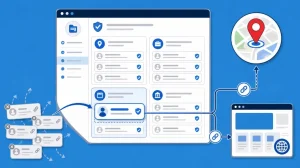
Directories and citations can still be useful when they are relevant, trusted, and not spammy. This technique is especially important for local businesses, SaaS tools, agencies, ecommerce brands, and industry-specific services.
Good directory links may come from:
- Local business directories
- Industry associations
- Startup directories
- SaaS directories
- Chamber of commerce websites
- Professional bodies
- Review platforms
- Supplier directories
- Partner directories
- Niche business listings
The goal is not to submit your website to hundreds of random directories. Low-quality directory spam can harm trust and waste time.
Instead, focus on directories that real users visit and that are relevant to your business. A local business in the US may benefit from local citations, while a global SaaS website may benefit from software directories and review platforms.
10. Internal Link Building
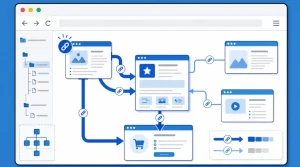
Internal link building is often overlooked, but it is one of the easiest and most controllable SEO techniques. Internal links are links from one page on your website to another page on the same site.
Internal links help:
- Search engines discover pages
- Users navigate the website
- Important pages receive more visibility
- Blog content support service pages
- Link equity flow through the website
- Topical clusters become clearer
For example, if a blog post earns backlinks, it should link to related service pages, guides, or conversion pages. This helps transfer authority across the site and improves user journeys.
Good internal linking uses natural anchor text. Instead of always using generic phrases such as “click here,” use descriptive anchors that explain the linked page.
Internal linking should be useful, not excessive. Every internal link should help the reader take the next logical step.
Bonus: Build Relationships, Not Just Links
The strongest link building campaigns often come from real relationships. When businesses connect with publishers, bloggers, journalists, partners, customers, and industry experts, backlinks become more natural.
Relationship-based link building can come from:
- Partnerships
- Podcast interviews
- Webinars
- Joint research
- Testimonials
- Supplier pages
- Customer stories
- Event sponsorships
- Community projects
- Industry collaborations
This approach takes longer, but it usually produces stronger and safer links than mass outreach.
What Makes a Link Building Technique Safe?
A safe link building technique should focus on relevance, usefulness, and editorial value. The link should make sense to the reader, not just to an SEO tool.
A safe backlink usually has:
- Relevant source website
- Useful surrounding content
- Natural anchor text
- Real audience value
- Proper context
- No obvious spam footprint
- No excessive keyword stuffing
- Clear reason for the link to exist
Unsafe link building usually involves automation, irrelevant websites, low-quality content, hidden links, hacked links, mass directory spam, or links created only to manipulate rankings.
Best Link Building Techniques by Website Type
| Website Type | Best Techniques |
| Local business | Local citations, resource pages, partnerships, digital PR |
| SaaS website | Guest posting, comparison pages, digital PR, software directories |
| Ecommerce website | Product PR, blogger reviews, guides, resource pages |
| Blog or publisher | Linkable assets, expert roundups, statistics, internal linking |
| Casino/iGaming website | Niche backlinks, guest posting, affiliate partnerships, digital PR |
| Agency website | Guest posting, case studies, expert commentary, unlinked mentions |
| Startup | PR, founder interviews, startup directories, original research |
| Affiliate website | Content partnerships, niche edits, linkable assets, competitor analysis |
Different websites need different backlink strategies. A local business does not need the same approach as a global SaaS company, and a casino website needs a more niche-specific strategy than a general blog.
Common Link Building Mistakes
Many websites fail at link building because they focus on quantity instead of quality.
Common mistakes include:
- Building links from irrelevant websites
- Using the same anchor text repeatedly
- Buying cheap bulk links
- Ignoring nofollow links completely
- Linking only to the homepage
- Forgetting internal links
- Publishing weak guest posts
- Copying competitors without checking quality
- Ignoring link risk
- Not tracking link performance
A strong backlink profile should look natural, varied, and relevant. It should include different link types, different anchor texts, different pages, and different sources.
How to Choose the Right Link Building Technique?
The best link building technique depends on your website, niche, budget, and goals.
Before choosing a technique, ask:
- What pages need more authority?
- Which competitors are ranking above you?
- What types of links do competitors have?
- Does your site have linkable content?
- Are your service pages internally linked?
- What markets are you targeting?
- Do you need local, national, or global links?
- Is the niche highly competitive?
- How much risk can the business tolerate?
- Can the campaign be maintained consistently?
For most websites, the best strategy is a mix of guest posting, linkable assets, competitor analysis, digital PR, internal linking, and niche-relevant outreach.
Final Thoughts
The best link building techniques are not shortcuts. They are long-term SEO methods that help a website earn trust, authority, and visibility across the web.
Guest posting, linkable assets, competitor backlink analysis, broken link building, unlinked brand mentions, digital PR, resource pages, journalist outreach, niche directories, and internal linking can all support a stronger backlink profile when used correctly.
For US and global websites, the most effective link building strategy should focus on relevance, quality, natural anchor text, and user value. A few strong backlinks from trusted websites can often be more powerful than hundreds of weak links from unrelated sources.
The goal is not just to build more links. The goal is to build better links that support search rankings, referral traffic, brand authority, and long-term SEO growth.
FAQs
What are link building techniques?
Link building techniques are SEO methods used to earn or build backlinks from other websites. Common techniques include guest posting, digital PR, broken link building, competitor backlink analysis, and resource page outreach.
Which link building technique is best?
There is no single best technique for every website. Guest posting, digital PR, linkable assets, and competitor backlink analysis are among the most effective methods when done properly.
Is guest posting good for link building?
Yes, guest posting can be good for link building when the content is useful, original, relevant, and published on a quality website with real editorial standards.
Are directory links still useful?
Directory links can be useful if the directory is relevant, trusted, and used by real people. Low-quality mass directory submissions should be avoided.
How many backlinks does a website need?
There is no fixed number. The number of backlinks needed depends on your niche, competitors, target keywords, website authority, content quality, and market.
What is the safest link building strategy?
The safest strategy is to build links through useful content, relevant outreach, guest posting, digital PR, partnerships, and strong internal linking.
Can internal links help SEO?
Yes, internal links help users and search engines find important pages. They also help distribute link equity across a website.
What should be avoided in link building?
Avoid spam links, irrelevant placements, automated link schemes, hacked links, low-quality directories, repetitive exact-match anchors, and links created only to manipulate rankings.
How long does link building take to work?
Link building usually takes time. Results depend on competition, link quality, website authority, content strength, crawl frequency, and overall SEO strategy.
Why is relevance important in link building?
Relevance matters because links from websites related to your niche, topic, audience, or country usually make more sense to users and search engines.


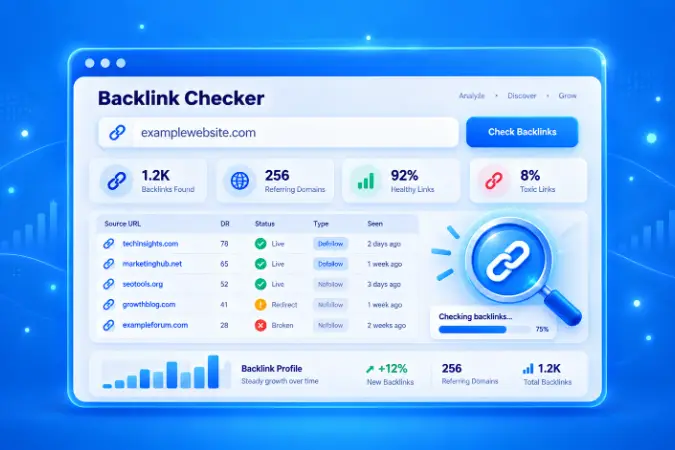
[…] is one of the strongest options for businesses looking to manage several parts of link building from the same SEO […]